Protect Your Home or Business from Termites
At Ledford’s, we know how difficult and frustrating a termite infestation can be. Termites are not only hard to detect, but they also can cause a significant amount of damage to any wooden structure. Our termite control services in Columbia, SC are available to both detect and eliminate an infestation, no matter how large or small, and with more than 40 years of experience, you can trust our experts to take care of the problem.
Common Signs You Have Termites
When it comes to termites, it is extremely important to discover any potential infestations before they cause damage to your home. The three biggest signs that you have a potential termite infestation is damage to your wood, shelter tubes that are left behind, and seeing flying swarmers (reproductive members of termite colonies). If you find any of these in your home, make sure that you request an appointment with us right away so we can send someone to evaluate your infestation.

Damaged Wood in Your Home
Depending on the type of termites that have infested your home, there are going to be different signs to look for. Subterranean termites are very common in Columbia, SC and are unable to live in the open air. Wood structures that appear to be fine on the outside could have galleries of termites on the inside. This causes a hollow sound when you tap it with a screwdriver. If it is severely damaged, then the screwdriver will easily pierce the wood. Other more obvious signs include wood powder or pellets, blistered wood, and wood that feels soft or damp.
Shelter Tubes from Termites
It is very common for termites to build shelter tubes, also referred to as mud tubes. They are formed from either dirt or wood and held together using their saliva or other liquids. These tubes allow the termites to move from one nest to another without any issues. These tubes are about the size of a pencil and usually you can find them in your foundation, crawl space, attic, and the joists of your floors. If you find these in your home, make sure to contact us for termite control services in Columbia, SC right away.
How to Find Flying Swarmers
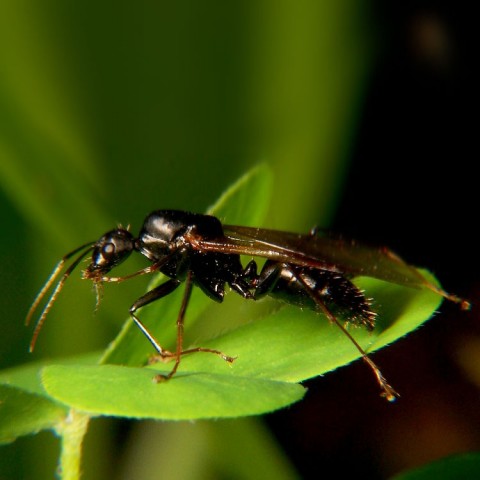
During the Summer months, you can find a colony of reproductive termites (referred to as swarmers) flying in large groups looking for a new place to settle. If you see any of these winged insects in the wood or soil near your house, there is a good chance that your home has a termite infestation. Another sign is seeing their cast-off wings on the floor or near a window. These are all tell tale signs that you have an issue that requires a professional.
Termite Species in South Carolina
While there are thousands of species of termites in the world, there are three main species that are prominent in South Carolina. Two species, Subterranean and Formosan, live underground and prefer to eat soft woods. The other, Drywood Termites, are true to their name and prefer to live in dry woods. While each species can severely damage wooden structures like homes, sheds, office buildings, garages, and more, Formosan termites are considered the most destructive.
Termites can eat through wood rather quickly and after they’re done with it, the wood that they leave behind is compromised and dangerous. If you have a termite infestation and it’s left untreated, you could experience significant damage to your ceilings, walls, foundation, and more. That’s why it is so important to call Ledford’s for termite control services in Columbia, SC.

Termite Extermination Services in Columbia, SC
Termite control in Columbia, SC takes the right tools and the right experience – especially when it comes to detection and elimination. If you believe you have a termite infestation, we’ll search your home or office for signs of damaged wood, mud tubes, wings, and more. If we find that you do in fact have an infestation, we’ll review the termite treatment options that fit your situation and your budget. After that, we’ll eliminate your entire infestation so that your termites don’t do any further damage to your structure.
Residential Termite Control Services
The last thing a homeowner needs is termites eating away at the structure of your home. Ledford’s can inspect your property if you think you may have a termite problem. If we discover an infestation, we will remedy the problem and make sure your home is sturdy and safe. Old and new homes can fall victim to termites so it’s important to protect your investment and your family.
Commercial Termite Control Services
Whether you have a large commercial building or a small shop, our Columbia, SC termite control services can take care of your termite problem and make sure they don’t return. No matter the industry, Ledford’s has the experience needed to keep your building, employees, tenants, and customers safe. We even offer prevention plans to stop a termite problem before it starts.
Schedule Your Termite Control Services Today
If you suspect that there is a termite infestation in your home or business, you have a few options when reaching out to our pest control company. You can request an appointment for us to come out to assess your situation and review the next steps to resolve the issue. If you want to know how much it will cost to utilize our termite control services in Columbia, SC please fill out our free estimate form. For any other questions, you can use our contact form. Our experts are standing by and are ready to help make your home or commercial property safe again.