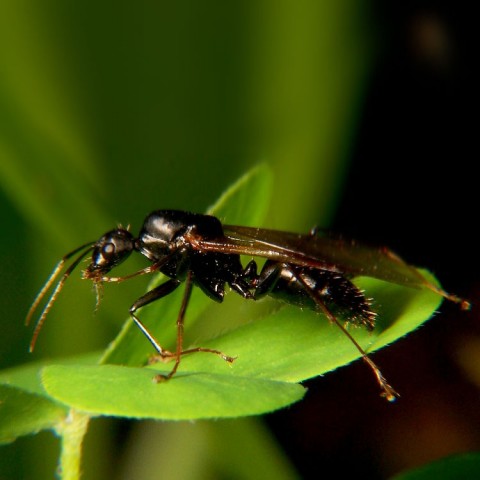
Pest problems don’t always announce themselves with visible insects crawling across your floors, and in many homes we service throughout the area, the earliest signs are often subtle and easy to overlook. Rodents, ants, termites, and cockroaches are especially skilled at staying hidden deep inside wall voids, insulation, and crawl spaces, where they can feed, nest, and multiply long before they ever become visible inside the home. In our experience, by the time most homeowners actually see a pest, the infestation has already been active for weeks, or even months, behind the scenes.
That’s what makes early detection so important. The sooner you recognize the warning signs, the easier it is to prevent costly repairs and a full-blown infestation. If you suspect something isn’t right in your home, here’s how to tell if pests may already be inside your walls, and how our professionals at Ledford’s can help.
Common Warning Signs That Pests Are Hiding Inside Your Walls
Strange Sounds Coming From The Walls
One of the most common early signs is noise. If you hear scratching, rustling, or scurrying, especially at night, it could indicate rodents like mice or rats moving through wall voids or ceilings. Termites can also create faint clicking or tapping sounds as they chew through wood. These noises often seem subtle at first but become more frequent as the infestation grows.
Unexplained Droppings or Debris
Finding small droppings along baseboards, in cabinets, or near wall edges is a strong indicator that pests are active nearby. Rodent droppings are typically small, dark, and pellet-shaped. Insects like cockroaches may leave behind tiny specks or smears. You might also notice shredded paper, insulation bits, or nesting materials pushed out from wall gaps.
Unusual Odors or Musty Smells
A persistent musty, oily, or ammonia-like smell can signal pests living inside your walls. Rodents and insects tend to leave behind strong odors from urine, nesting, or decomposition. If a smell seems to get stronger in a specific room or area, it’s worth investigating further.
Wall and Structural Damage
Pests inside walls often cause visible damage over time. Watch for:
- Bubbling or peeling paint
- Small holes or gnaw marks along trim or drywall
- Soft or hollow-sounding spots when tapped
- Sagging baseboards or warped surfaces
Termites, in particular, can silently weaken wood framing long before the damage becomes visible.
Grease Marks, Tracks, or Smudge Trails
Rodents tend to travel the same paths repeatedly, leaving behind grease marks or smudge trails along walls and baseboards. These marks are often dark and appear near entry points or hidden travel routes inside wall cavities.
Increased Pest Sightings In The Home
If you’re suddenly seeing more pests in open areas, especially during the daytime, it may indicate a larger hidden infestation. When populations grow inside walls, pests are forced to expand outward in search of food and space. Seeing even a few pests in the open can be a sign of a much bigger problem behind the scenes.
How To Confirm A Pest Problem Inside Walls
While these signs are strong indicators, confirming an infestation usually requires a professional inspection. Pest control experts use tools like moisture meters, infrared cameras, and wall probing techniques to detect hidden activity without damaging your home. Trying to investigate on your own can often miss deeper activity or underestimate the severity of the issue.
Why Acting Quickly Matters
Pests inside walls don’t stay contained. Over time, they can:
- Compromise structural wood
- Damage insulation and wiring
- Spread bacteria and allergens
- Multiply rapidly and expand into other rooms
The longer the issue goes untreated, the more expensive and difficult it becomes to fix.
Call Ledford’s For Professional Pest Control
If you suspect pests are living inside your walls, the safest move is to bring in a professional team as soon as possible. At Ledford’s, our pros provide thorough inspections and targeted pest control treatments designed to locate hidden infestations and eliminate them at the source. Our experts can identify the type of pest, determine how they’re entering your home, and create a treatment plan to stop the problem before it spreads further. Reach out to our team today to request an appointment and learn more about how we can help.