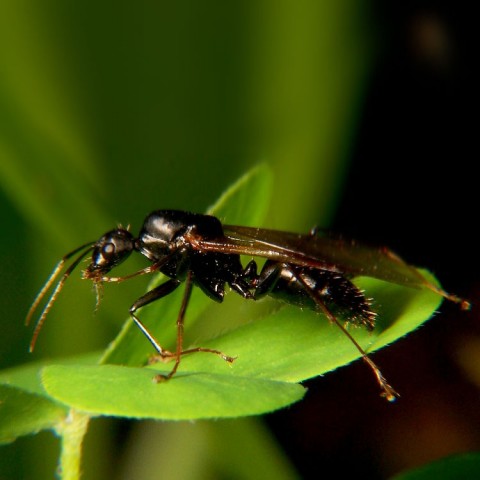
Many homeowners focus on curb appeal when planning their landscaping, but what you plant and how you maintain it can have a major impact on pest activity around your home. From overgrown shrubs to standing water, certain landscaping choices can unintentionally create the perfect environment for insects and rodents to thrive. Understanding how landscaping choices impact pest problems around your home can help you make smarter decisions that protect both your property and your peace of mind. Our pest control professionals at Ledford’s are here to help.
Why Landscaping Plays a Bigger Role Than You Think
Your yard is the first line of defense against pests. It can either discourage unwanted intruders or invite them closer to your home. Dense vegetation, excess moisture, and organic debris all provide food, shelter, and breeding grounds for common pests like ants, mosquitoes, termites, and rodents. When landscaping is not properly planned or maintained, pests can quickly transition from your yard into your home.
Common Landscaping Choices That Attract Pests
Overgrown Trees and Shrubs: Bushes and tree branches that touch your home act as bridges for pests. Ants, spiders, and even rodents can use them to gain easy access to your roof, siding, or attic. Thick vegetation also creates shaded, damp areas where pests love to hide.
Poor Drainage and Standing Water: Improper grading or clogged drainage systems can lead to standing water in your yard. This is especially problematic because it creates ideal breeding conditions for mosquitoes. Even small amounts of water in planters, birdbaths, or clogged gutters can become a pest hotspot.
Mulch Placed Too Close to the Home: Mulch helps retain moisture and improve soil health, but when placed directly against your foundation, it can attract pests like termites, earwigs, and ants. These materials hold moisture and provide the perfect environment for nesting.
Excessive Lawn Debris: Fallen leaves, grass clippings, and woodpiles may seem harmless, but they offer shelter for pests like rodents, cockroaches, and beetles. These areas also retain moisture, making them even more attractive to unwanted invaders.
Dense Ground Cover Plants: Ground cover plants can look great, but when they grow too thick, they create dark, humid environments that pests thrive in. Without proper spacing and maintenance, they can become a hidden refuge for insects and small animals.
Landscaping Practices That Help Prevent Pest Problems
Maintain Proper Plant Spacing: Keeping plants trimmed and spaced away from your home reduces the likelihood of pests using them as access points. Aim to maintain a gap between vegetation and your exterior walls.
Improve Drainage: Ensure your yard is properly graded so water flows away from your home. Clean gutters regularly and eliminate standing water wherever possible to reduce mosquito activity.
Use Mulch Strategically: Keep mulch a few inches away from your foundation and consider using alternatives like gravel or stone in areas closest to your home to reduce pest attraction.
Keep Your Yard Clean: Regularly remove yard debris, trim grass, and store firewood away from your home. A clean yard eliminates many of the hiding places pests rely on.
Choose Pest-Resistant Plants: Some plants naturally repel insects. Incorporating these into your landscaping can help reduce pest activity without relying solely on chemical treatments.
When Landscaping Isn’t Enough
Even with the best landscaping practices, pests can still find their way onto your property. That’s where professional pest control becomes essential. A trained technician, like our pros at Ledford’s, can identify problem areas, treat active infestations, and help you develop a long-term prevention plan tailored to your property. We also provide organic pest control solutions that use natural ingredients.
Protect Your Home With Ledford’s Pest Control Experts
Your landscaping should enhance your home, not invite pests inside. If you’re noticing increased pest activity and want to learn how landscaping choices impact pest problems around your home, our team at Ledford’s is here to help. Our experienced pest control professionals understand how environmental factors like landscaping impact infestations and can provide targeted solutions that work. Reach out to Ledford’s today to request an appointment and take the first step toward a healthier, pest-free home.