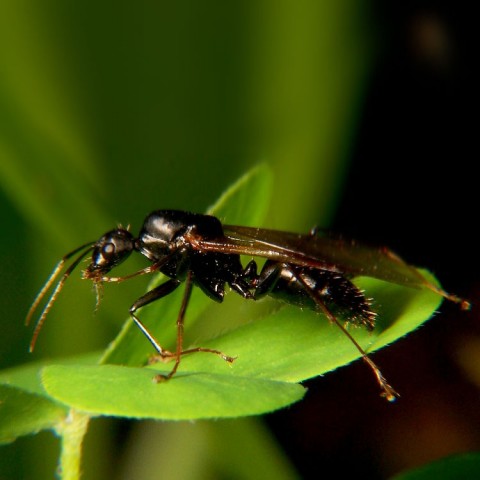
The yellow-legged hornet, scientifically known as Vespa velutina, is an invasive insect species that has been spreading across parts of the United States, raising concern among homeowners, beekeepers, and agricultural communities. Originally native to Southeast Asia, this aggressive hornet has already caused significant ecological and economic damage in Europe and is now beginning to establish a presence in areas like South Carolina.
The yellow-legged hornet is a medium-to-large wasp species that can be identified by its dark body, orange-yellow face, and distinctive yellow legs. Unlike native wasps and hornets, this species is highly invasive and adaptable, allowing it to thrive in new environments with few natural predators. It typically builds large, spherical nests high in trees, though nests can also be found in shrubs, buildings, or other sheltered locations.
One of the most concerning traits of the yellow-legged hornet is its diet. It preys heavily on pollinators, especially honeybees. A single colony can decimate entire beehives, which has serious implications for agriculture and local ecosystems that rely on pollination.
Why Is The Yellow-Legged Hornet A Problem?
The introduction of the yellow-legged hornet into the United States is troubling for several reasons:
- Threat to Pollinators: Honeybees and other pollinators are essential for crops and native plants. The hornet’s predatory behavior can disrupt food production and biodiversity.
- Rapid Reproduction: These hornets reproduce quickly, allowing populations to expand rapidly if not controlled.
- Aggressive Behavior: While they are generally not aggressive unless provoked, they will defend their nests vigorously, posing a risk to humans and pets.
- Difficult to Eradicate: Their nests are often built high off the ground, making them harder to locate and remove.
What This Means For South Carolina Residents
For residents of South Carolina, the arrival of the yellow-legged hornet presents new challenges. The state’s warm climate and diverse vegetation create an ideal environment for these insects to thrive. If populations grow unchecked, they could significantly impact local agriculture, particularly crops that depend on pollination such as fruits, vegetables, and nuts.
Homeowners may also begin to notice increased hornet activity around their properties. Gardens, outdoor dining areas, and even rooflines or sheds can become potential nesting sites. This not only creates a nuisance but also raises safety concerns, especially for families with children or individuals allergic to stings.
South Carolina’s beekeeping industry could face serious setbacks. Local beekeepers play a vital role in maintaining healthy ecosystems and supporting agriculture. The presence of an invasive predator like the yellow-legged hornet threatens both livelihoods and environmental stability.
How To Identify and Respond
If you suspect you’ve seen a yellow-legged hornet, it’s important not to approach or attempt to remove the nest yourself. These insects can become aggressive when disturbed, and DIY removal can be dangerous. Instead, take note of the hornet’s appearance and behavior, and report sightings to local agricultural or pest control authorities. Early detection is key to preventing widespread infestation.
Protecting Your Home and Property
Preventative measures can help reduce the likelihood of hornets nesting on your property:
- Regularly inspect your yard, trees, and structures for early signs of nests
- Keep outdoor areas clean and free of food or sugary residues
- Seal gaps or openings in your home’s exterior
- Trim trees and shrubs to reduce potential nesting sites
However, because of the risks involved and the complexity of proper removal, professional pest control is often the safest and most effective solution.
Call The Experts
If you’re concerned about yellow-legged hornets or any other pest issue, don’t take chances. Contact Ledford’s Pest Control for expert assistance. When it comes to these invasive bees, you can report your sighting so it can be logged and dealt with by the proper authorities. For other pest issues, our trained professionals can identify, remove, and prevent infestations, helping you protect your home, your family, and your community.